Avenida da Liberdade and Shopping Tourism
Portugal is currently experiencing a particularly relevant moment in how it is perceived as an international destination. The quality of its hospitality sector, cultural diversity, and overall safety have become solid arguments for attracting premium‑segment travelers. But there is another dimension growing quietly in the background — one that could redefine the country’s positioning in the coming years: shopping tourism, especially within the luxury segment.
Quantitative indicators reinforce this shift. Over the past five years, Portugal’s Tax Free luxury market has grown by 12%, surpassing the global average. During the same period, the average spend per international shopper increased from €1,600 to €2,320, and the number of shoppers rose from 49,000 to 64,000 — clear evidence of the country’s growing capacity to attract more demanding visitors accustomed to the world’s major luxury capitals.
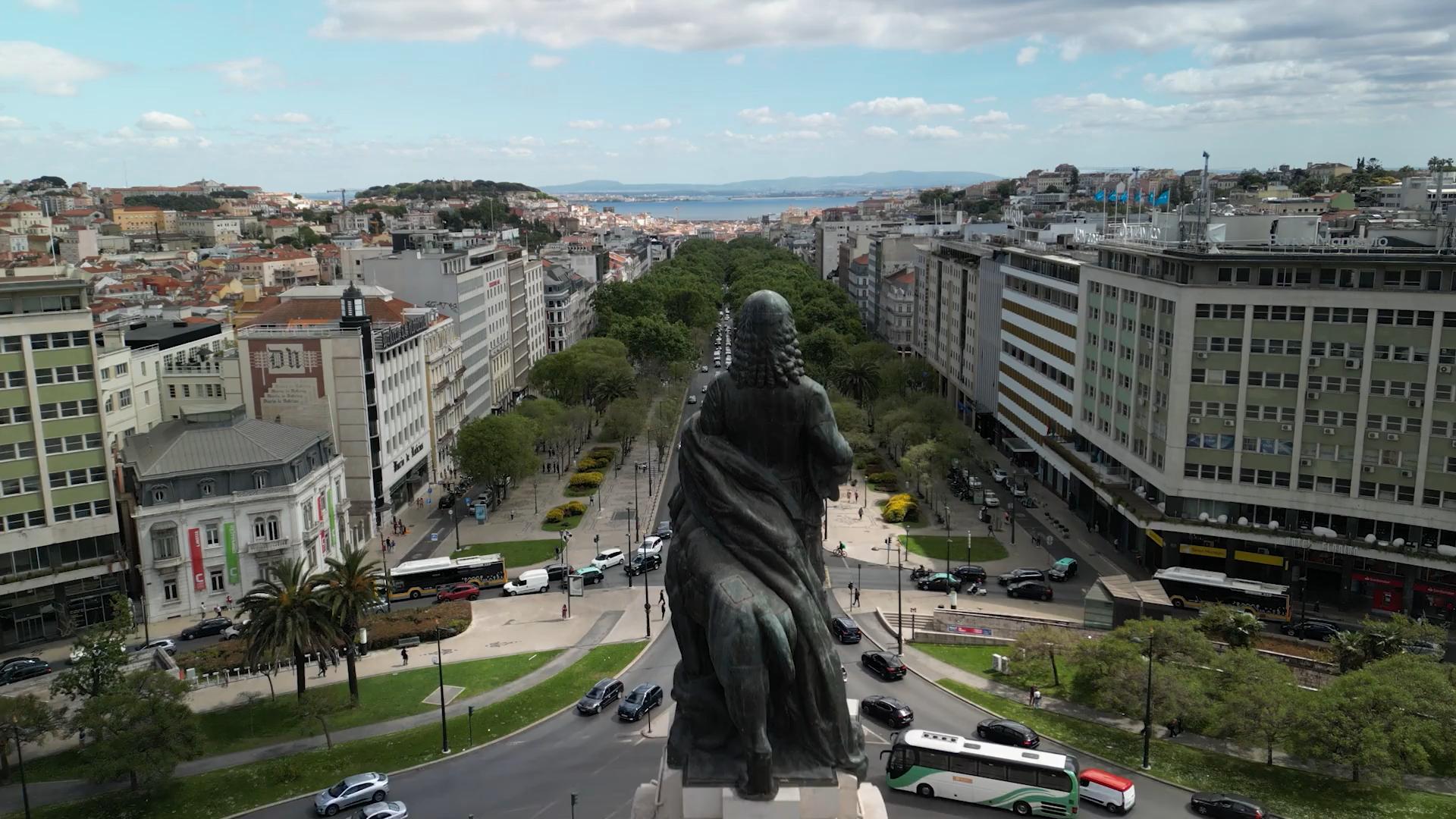
Nowhere is this transformation as evident as on Avenida da Liberdade. This avenue concentrates the highest density of international luxury brands in the country and attracts the traveler profiles that currently dominate luxury spending in Europe: visitors from the United States and Brazil, who together account for around 50% of Tax Free luxury sales in Portugal. This consumer mix is decisive, combining strong purchasing power, recurrence, and expectations shaped by global‑level service standards.
Avenida da Liberdade has become a strategic stage: welcoming the American traveler exploring Europe, the Brazilian visitor who returns regularly, and a growing number of travelers from emerging markets who value attentive service, meticulous curation, and frictionless Tax Free processes. It is this alignment — a high‑quality experience in a recognizable luxury corridor — that converts visits into purchases and long‑term loyalty.
At the same time, Generation Z plays an increasingly significant role: +17% in number of shoppers and +18% in spend, accelerating the need for personalization, brand communities, and omnichannel presence. This generation is less loyal but highly influential, demanding consistent propositions, memorable experiences, and a seamless connection between digital and in‑store environments.
At the top of the consumer pyramid, (U)HNWI shoppers sustain the market cycle through repeated purchases and higher brand loyalty. They are the segment with the highest average spend per client and a disproportionately large contribution to overall revenue — a trend particularly evident in Portugal, where a statistically small group accounts for a significant share of total luxury spending.
The opportunity is clear: to integrate shopping tourism into Portugal’s broader international promotion strategy, and highlight Avenida da Liberdade by aligning retail, services, hospitality, and culture into high‑value itineraries — an approach the Avenida da Liberdade Association has been developing successfully alongside its member brands.
Source of data: Global Insights on Luxury Market 2025 – Global Blue
Other Things to Discover

Discover one of the 7 wonders of Portuguese gastronomy
29 January, 2026-
FIND OUT ABOUT THE COLISEU DOS RECREIOS
22 January, 2026 -
Discover GSD Dental Clinics
04 December, 2025 -
Evolution of the recruitment market over the last 40 years
17 November, 2025